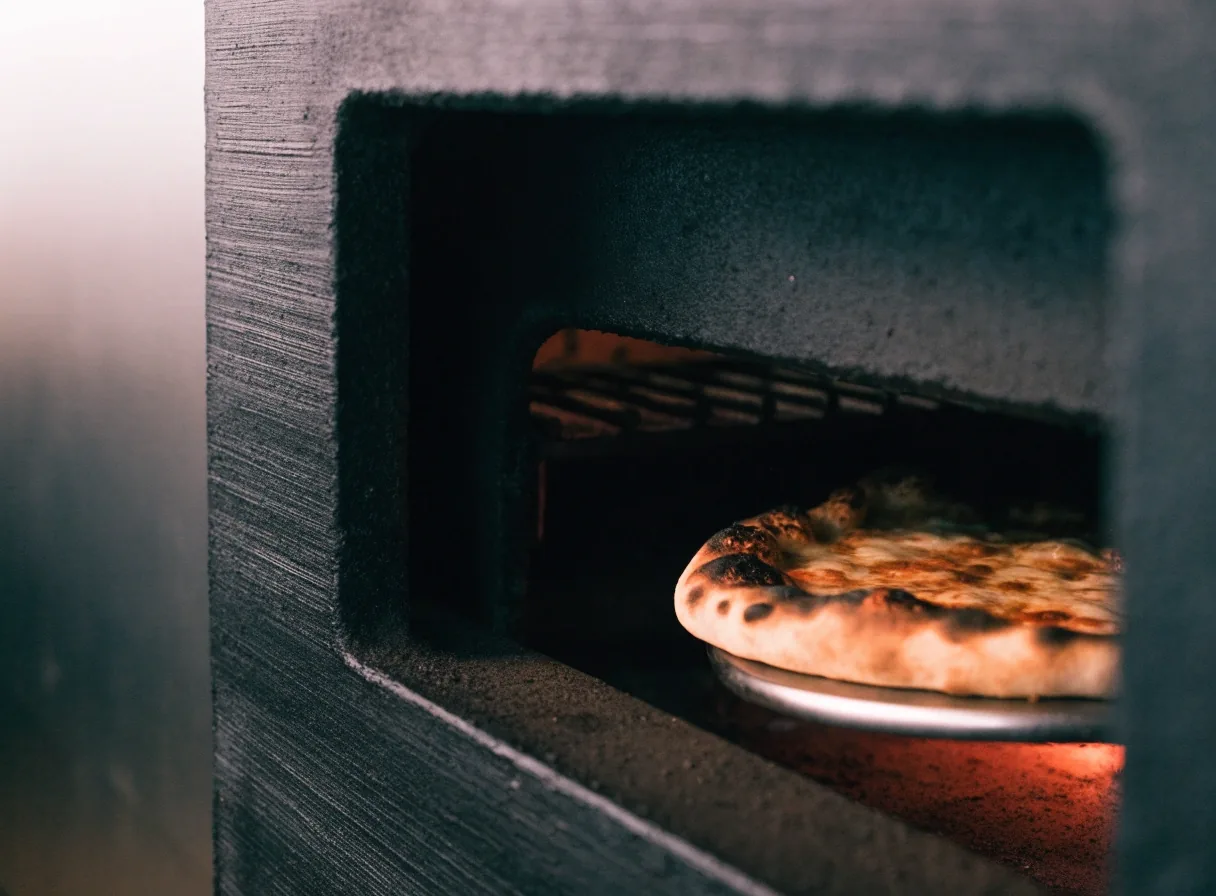
Fresh dough
Homemade dough puffs fast, forming air pockets that crisp as they brown.
900°F oven — thin pies and roasted wings
Find a Table11701 S Dixie Hwy, Pinecrest, FL 33156, USA
+1 305-499-0189 — [email protected]
Monday – Sunday: 11:00 AM – 10:00 PM
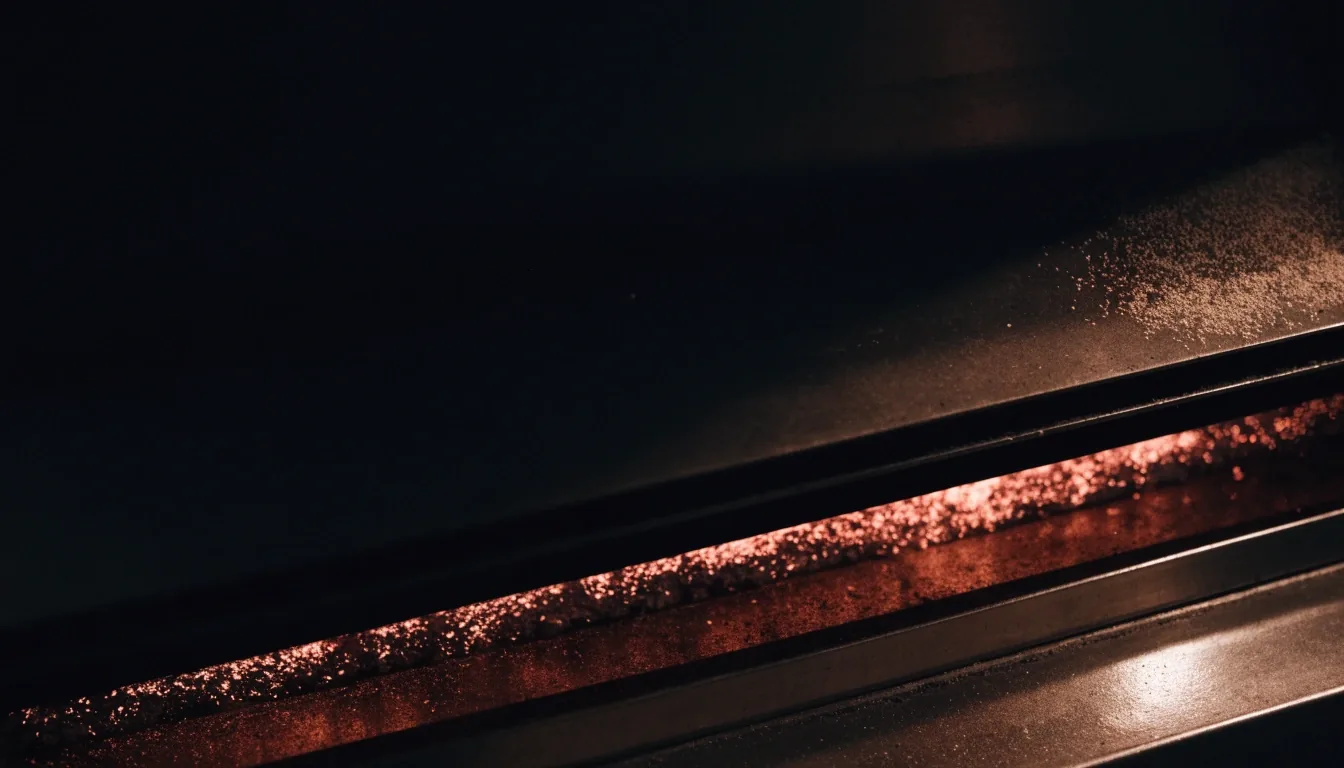
Walk past the oven, read the char
Coal-fired oven pizza bakes fast and hot for a charred, crisp crust and bubbling toppings. This guide explains what that heat does to dough, cheese, and flavor at Anthony's Coal Fired Pizza.
See the menu overviewHeat first
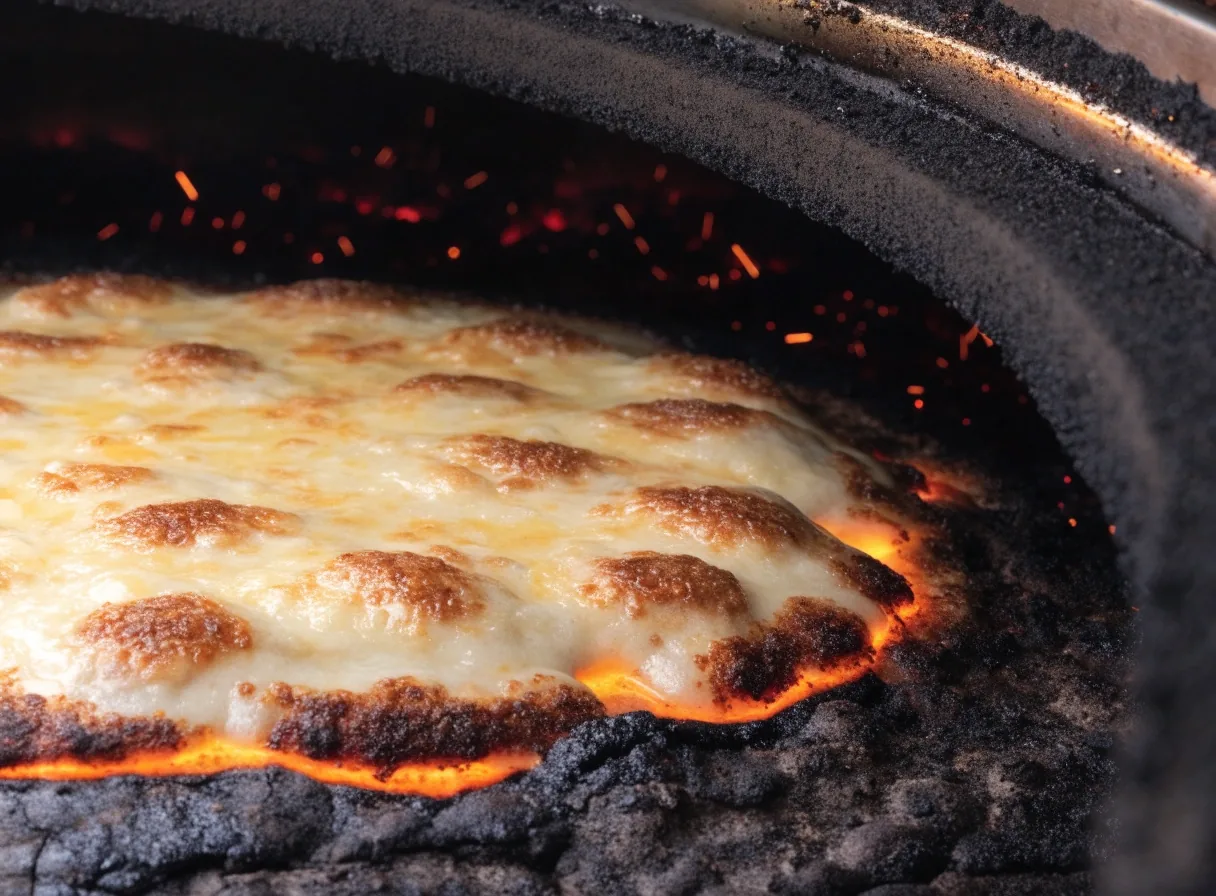
Two plates on one counter — speed sets the base, color finishes the rim.
At 900 degrees, a thin pie bakes in minutes. The bottom sets almost on contact with the hot deck, while cheese bubbles and spots brown on top. That speed is why the center can stay light while the rim turns crisp.
Anthony's coal fired kitchen watches each pie closely, since seconds change color. A quick turn on the deck evens the bake, and the pie comes out before the moisture in the cheese can soak the base. Speed is the whole method.
Color guide
Charred + crisp
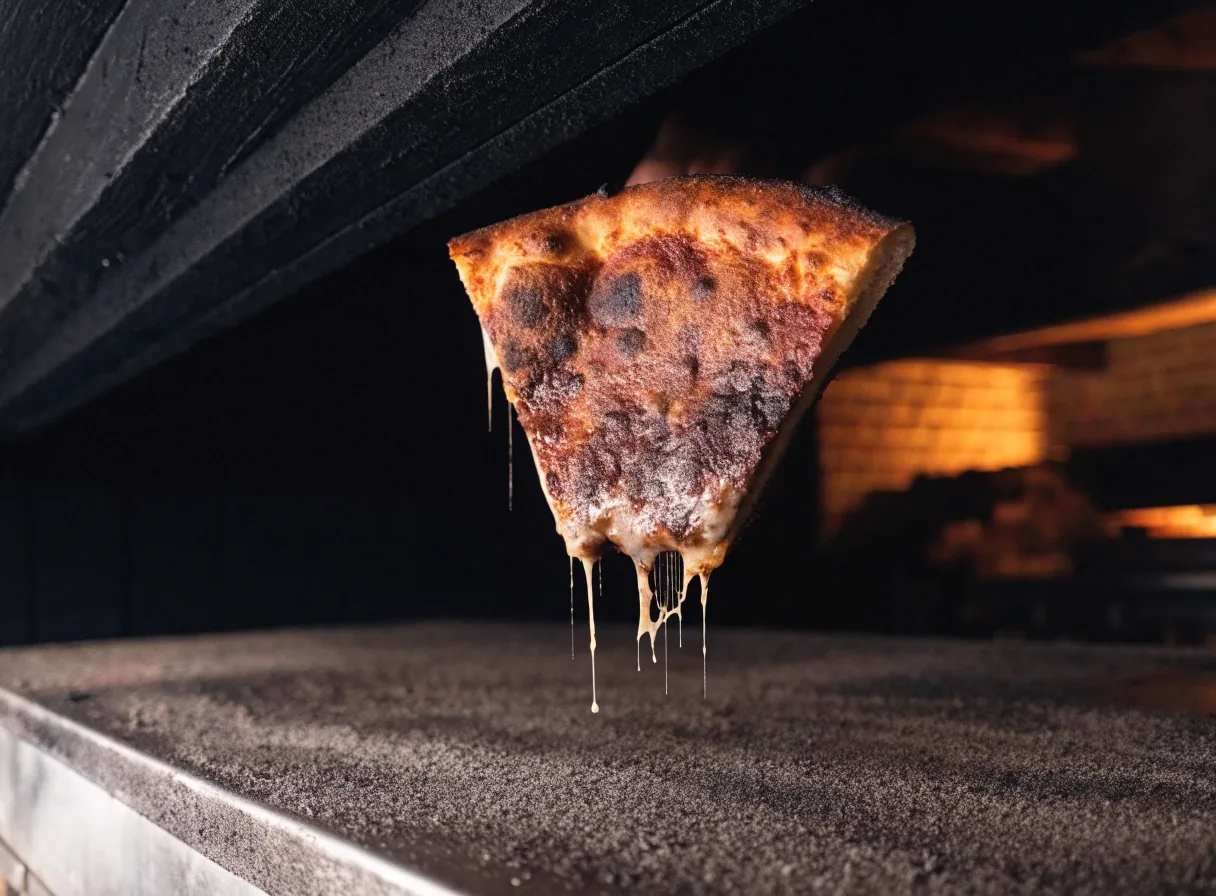
Blistered rim, firm underside, light smoky finish — not burnt.
Char here means darkened, blistered spots along the rim and underside, with a crisp snap. Anthony's Coal Fired Pizza describes its Create Your Own Pizza as crispy, bubbling, and slightly charred around the edges.
Those dark areas add a light smoky finish, especially in plain cheese bites. If you prefer less color, ask for a lighter bake when you order — the oven crew can pull it a touch early.
What the heat hits
Two or three toppings keep the crunch; wet loads weigh fresh dough down.
The pizzas start with homemade dough and fresh ingredients, made to order from scratch. Fresh dough puffs fast in a coal-fired oven, forming air pockets that crisp as they brown. Too many wet toppings weigh it down, which is why simpler builds taste crunchier at Anthony Coal Fired Pizza.
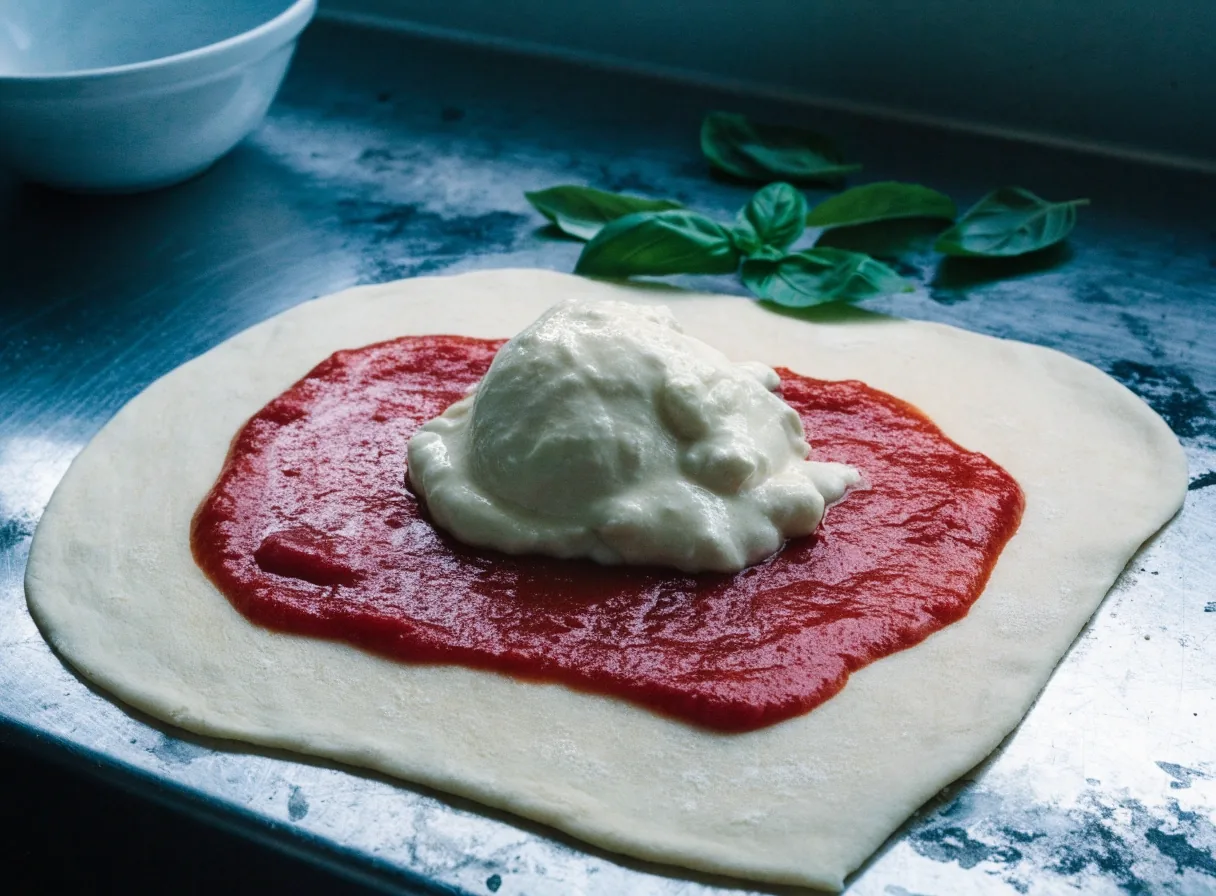
The classic version builds on tomato sauce, fresh mozzarella, Pecorino Romano, basil, and olive oil. Under high heat, the sauce reduces slightly and tastes brighter. Mozzarella melts into pools while the hand-grated Pecorino Romano adds saltiness on top. Basil and olive oil finish with fresh and rich notes.
Fresh dough
Homemade dough puffs fast, forming air pockets that crisp as they brown.
Sauce
Italian plum tomato sauce reduces slightly and tastes brighter in high heat.
Cheese
Mozzarella melts into pools while Pecorino Romano adds salt and sharpness.
Build
Two or three toppings keep the crunch; wet loads weigh fresh dough down.
Know the difference
Coal burns hot and steady, which suits a thin, crisp, charred crust. Wood-fired ovens often give a softer, airier rim with more varied spotting and a wood-smoke note. A standard gas deck oven bakes slower and more evenly, with less char.
Coal-fired
Thin, crisp, charred. Crunch with a smoky finish.
Wood-fired
Softer, airier rim. Varied spotting, wood-smoke note.
Gas deck
Slower, even bake. Less char, milder crust.
Look at the underside first. You want a firm base with even browning and a few darker spots, not a pale, flexible center. The rim should crack lightly when folded, and cheese should bubble rather than pool. A little flop at the tip is normal for a thin pie. A soupy middle usually means too many toppings, not a bad oven.
Eat it in the room
A coal-fired crust is at its peak in the first ten minutes out of the oven. In dining rooms like Pinecrest or Westwood, the walk from oven mouth to table is short. Takeout adds steam in the box, which softens the base.
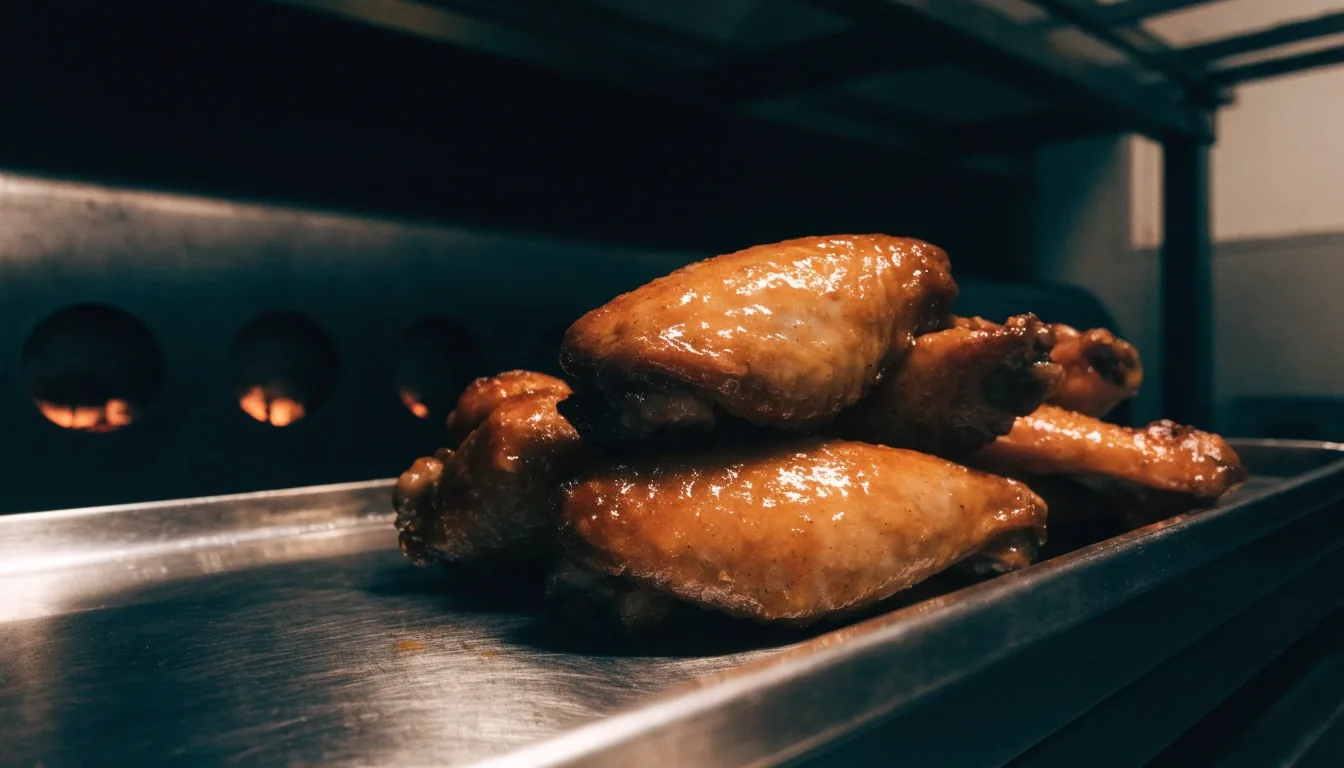
If you want to judge the craft fairly, eat your first pie in the room. Order Anthony's Coal Fired Pizza and Wings together and you will taste the contrast: crisp pie edge against roasted wings that stay juicy under the same fire.
Compare dining roomsOrder it your way
For maximum crispness, order a classic or a light two-topping pie and ask for it well set. For a softer bite, add an extra cheese layer or choose a heavier topping load. Share one of each if the table disagrees.
That side-by-side test teaches more than any description. Fans searching for ACFP and Anthony's Coal Fired often start with a plain pie, then branch into toppings once they know their preferred char.
Open Monday – Sunday: 11:00 AM – 10:00 PM. 11701 S Dixie Hwy, Pinecrest, FL 33156. Call +1 305-499-0189.
Quick answers
Crisp and lightly charred with bubbling cheese and a noticeable smoky finish, especially on plain slices. It is crunchier than wood-fired pizza and firmer than standard deck-oven pie.
It is both, by design. The base stays crisp while the rim and spots pick up char from 900-degree heat. Ask for a lighter bake if you want less color.
Start with a classic cheese or a two-topping pie, ask how dark you like the bake, and eat in the room when you can. For details on pies and wings, continue to the menu guide or the visiting tips.